
Commercial HVAC Maintenance in Cincinnati: What to Include
Most commercial HVAC failures don't come out of nowhere. A belt has been cracking for months. A coil has been loading up with dirt since spring. A burner has been short-cycling all season. Preventive maintenance catches those problems on a scheduled visit instead of during a 95-degree afternoon or a January cold snap.
If you own or manage commercial property in Greater Cincinnati, here's what a good commercial HVAC maintenance program should include and how to tell whether yours is doing its job.
Preventive vs. reactive maintenance
Reactive maintenance means fixing equipment after it breaks. It feels cheaper until you add up emergency rates, rush parts, lost productivity, spoiled inventory and frustrated tenants.
Preventive maintenance means scheduled inspections, cleaning and adjustments based on the equipment and how it's used. The result:
- Fewer breakdowns: problems are found before they cause a failure
- Longer equipment life: less wear on compressors, motors and heat exchangers
- Lower energy costs: clean coils, correct refrigerant charge and calibrated controls use less power
- Predictable budgets: planned costs instead of surprise repair bills
- Compliance: documented service supports safety, emissions and performance requirements
The best programs go a step further with predictive servicing, using equipment data and trends to plan repairs before performance drops.
A seasonal maintenance checklist for Cincinnati buildings
Cincinnati's hot, humid summers and cold winters mean your system needs two different kinds of attention each year.
Spring: cooling season prep
- Clean condenser and evaporator coils
- Check refrigerant charge and look for leaks
- Inspect belts, bearings and motors; lubricate where needed
- Test compressors, contactors and electrical connections
- Clear condensate drains to prevent water damage and microbial growth
- Start up and inspect chillers and cooling towers, including water treatment
- Replace filters and verify economizer operation
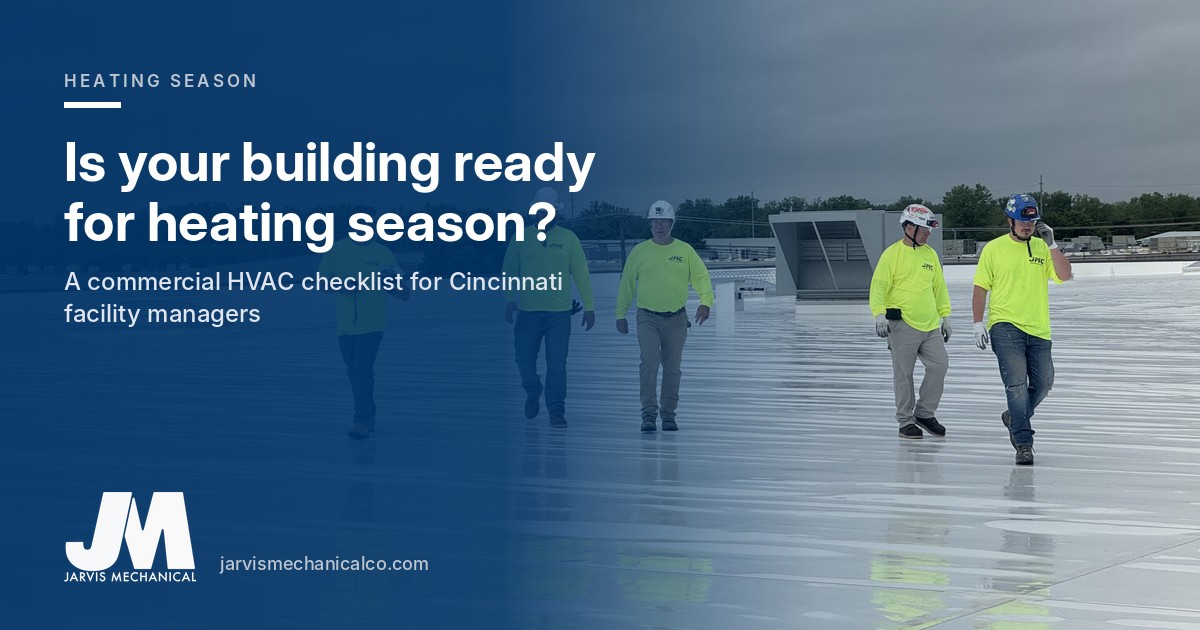
Fall: heating season prep
- Inspect and clean boilers, burners and heat exchangers
- Check for cracked heat exchangers and test for combustion safety
- Verify flame sensors, ignition and safety controls
- Inspect make-up air units and exhaust systems
- Check steam traps and hot water circulation pumps
- Drain and winterize cooling towers as needed
- Replace filters and recalibrate thermostats and building controls
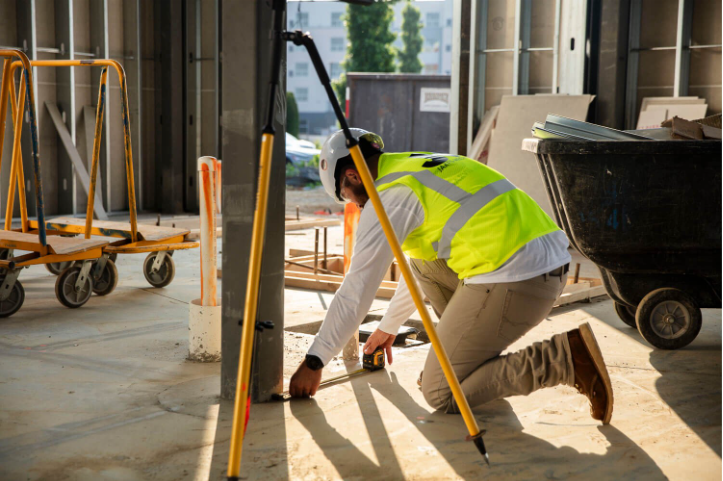
Most buildings benefit from at least two visits a year. Buildings with heavy loads - data rooms, healthcare spaces, restaurants, warehouses with process equipment - often need quarterly or monthly service.
What equipment should your plan cover?
A commercial maintenance agreement should list every piece of equipment it covers. At Jarvis Mechanical, plans can include:
- Rooftop units, split systems and ductless mini-splits
- Air- and water-cooled chillers
- Hot water and steam boilers (gas or oil)
- Cooling towers and heat recovery units
- Make-up air units and exhaust systems
- Variable frequency drives
- Server and data rooms, refrigeration and critical process equipment
- Humidification and specialty equipment
If your current plan only says "HVAC maintenance" without an equipment list and task list, ask for one.
Signs your building needs service now
- Hot or cold spots and rising comfort complaints
- Utility bills climbing without a change in use
- Equipment short-cycling or running constantly
- New noises, odors or vibration
- Water around units or ceiling stains near equipment
- Frequent resets or alarms on the building controls
Jarvis Mechanical service programs
Jarvis Mechanical builds customized commercial HVAC maintenance programs for office buildings, strip malls, warehouses, healthcare facilities and other commercial properties across Greater Cincinnati. With more than 35 years in commercial mechanical work, our team supports your systems through their full lifecycle: scheduled maintenance, diagnostics, emergency repairs and, when the time comes, replacement with more efficient equipment.
Ready to stop paying for emergencies? Request a maintenance quote or call 513.831.0055.
FAQ: Commercial HVAC Maintenance in Cincinnati
How often should commercial HVAC be serviced? Most commercial systems need at least two preventive maintenance visits a year, one before cooling season and one before heating season. High-use or critical equipment often needs quarterly or monthly service.
What is included in a commercial HVAC maintenance plan? A typical plan includes scheduled inspections, filter changes, coil cleaning, refrigerant and electrical checks, belt and motor service, combustion safety testing and a written report on equipment condition.
Does preventive maintenance really save money? Yes. Preventive maintenance reduces emergency repairs, lowers energy use and extends equipment life, which delays costly replacements.
When is the best time to schedule fall HVAC maintenance in Cincinnati? Schedule heating maintenance in September or October, before the first sustained cold weather. If you missed that window, schedule now rather than waiting for a no-heat call.