
Commercial HVAC in Cincinnati: How to Choose the Right Contractor for Your Building
The HVAC system in a commercial building isn't a comfort feature: it's infrastructure. It protects inventory in a warehouse, keeps a server room online, holds a clinic to healthcare air standards, and keeps tenants signing renewals. When it's designed and installed right, nobody thinks about it. When it isn't, it shows up as hot zones, tenant complaints, rising utility bills and emergency calls at the worst possible time.
For building owners, property managers and general contractors in Greater Cincinnati, choosing a commercial HVAC partner is one of the decisions that pays off (or costs you) for 15 to 25 years. Here's what to look for.
Why Cincinnati Is Hard on Commercial HVAC
Cincinnati sits in a river valley with hot, humid summers and cold, damp winters. That means commercial systems work hard in both directions: chillers and rooftop units carry heavy cooling and dehumidification loads in July, while boilers, make-up air units and heating sections carry the load from December through March. Spring and fall swings put extra cycling on equipment, too.
A system that is undersized, poorly zoned, or installed without attention to ventilation and humidity control will struggle here. That's why the right contractor starts with engineering, not just equipment.
Commercial HVAC Is a Different Trade Than Residential
Many companies service both homes and businesses, but commercial work brings different equipment, codes and stakes. A commercial contractor should be comfortable with:
- Rooftop units and split systems serving multiple zones
- Air- and water-cooled chillers, cooling towers and heat recovery units
- Hot water and steam boilers
- Make-up air and exhaust systems
- Variable frequency drives and building controls
- Server rooms, data facilities and critical process equipment
Ask any contractor you're evaluating which of these they install and service in-house. Jarvis Mechanical works across all of them, along with commercial plumbing.
Design-Build Saves Money Before the First Duct Goes In
On new construction and major renovations, the biggest savings happen on paper. In a design-build model, the mechanical contractor collaborates with the architect, engineer and general contractor from concept forward, so the HVAC and plumbing design is coordinated with the building rather than forced into it later.

That coordination reduces change orders, prevents clashes in the field and shortens schedules. It also lets the team size equipment for how the space will actually be used. Jarvis handles design through construction under one roof, which keeps accountability in one place.
Tenant Finish: Fitting HVAC to a New Layout
When a tenant moves into a shell space or reconfigures an existing suite, the HVAC has to follow the floor plan. New walls, conference rooms and break areas all change airflow and zoning. Good tenant finish work rebalances the system so every space is comfortable on move-in day, not after three months of thermostat complaints.
Repair or Replace? Ask for the Numbers
For existing buildings, the biggest question is often whether to keep repairing aging equipment or plan a replacement. A trustworthy contractor will lay out:
- The equipment's age and remaining expected life
- Recent repair history and what's likely to fail next
- Energy cost of the current unit versus a high-efficiency replacement
- Refrigerant availability for older systems
- Downtime and phasing options so your operation keeps running
If you're only getting a price on a new unit, you're not getting the full picture.
What to Look for in a Cincinnati Commercial HVAC Contractor
- Experience in your building type. Warehouses, healthcare, retail, offices and data facilities each have different priorities.
- Design, install and service capability. One partner across the life of the system means nobody points fingers.
- Local presence. A contractor based in the region can respond faster and knows local code officials and conditions.
- A real maintenance program. Installation is day one of a 20-year relationship. Learn more in our guide to commercial HVAC service and maintenance in Cincinnati.
- Proof. Ask for projects similar to yours.
Jarvis Mechanical: 35+ Years of Commercial HVAC in Greater Cincinnati
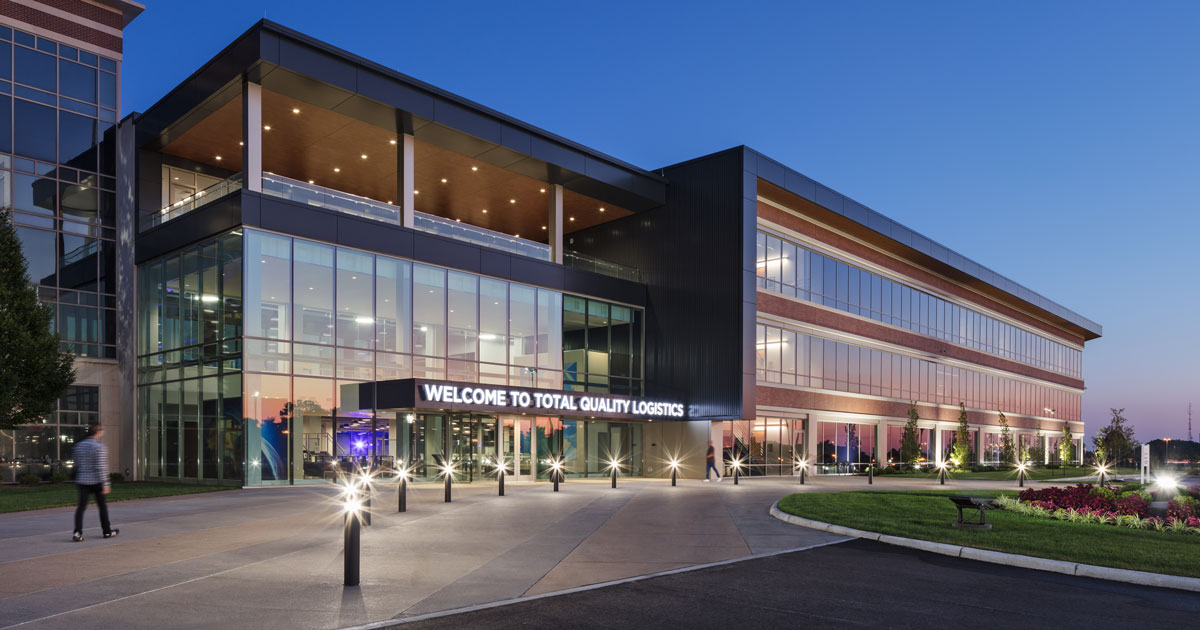
Based in Milford, Jarvis Mechanical has spent more than 35 years designing, installing and servicing HVAC and plumbing systems for commercial, warehouse, retail, healthcare, data and municipal facilities across Greater Cincinnati. Our project portfolio includes work for organizations like Amazon, DHL, Paycor, Premier Health and Quality Logistics.
Planning a new build, tenant finish or equipment replacement? Contact Jarvis Mechanical or call 513.831.0055.
Frequently Asked Questions About Commercial HVAC in Cincinnati
What is the difference between commercial and residential HVAC?
Commercial systems are larger, often modular, and serve multiple zones. They commonly use rooftop units, chillers, boilers and building controls, and must meet commercial codes and ventilation requirements.
How long does commercial HVAC equipment last?
Most rooftop units last roughly 15 to 20 years; chillers and boilers can last longer with consistent maintenance. Actual life depends on usage, maintenance and the operating environment.
What is design-build HVAC?
Design-build means one mechanical contractor handles both system design and installation, coordinating with the architect and general contractor. It typically reduces change orders and shortens the schedule.
What areas does Jarvis Mechanical serve?
Jarvis Mechanical serves commercial buildings across Greater Cincinnati, including Cincinnati, Milford, Mason and Blue Ash.