Emergency HVAC Repair: What Commercial Property Owners Need to know
Emergency HVAC repair is a core part of facility management for commercial property owners. HVAC systems keep indoor environments safe and comfortable, and when they fail, a fast response can mean the difference between a brief disruption and serious financial loss. This guide explains what qualifies as an HVAC emergency, common causes of system failures, typical emergency repairs, and why regular maintenance matters. It also outlines how Jarvis Mechanical Co. coordinates services across Cincinnati to keep buildings operating smoothly.
Types of Repairs Offered:
The type of repair required drives how quickly you’ll be back up and running. Common emergency HVAC repairs for commercial properties include:
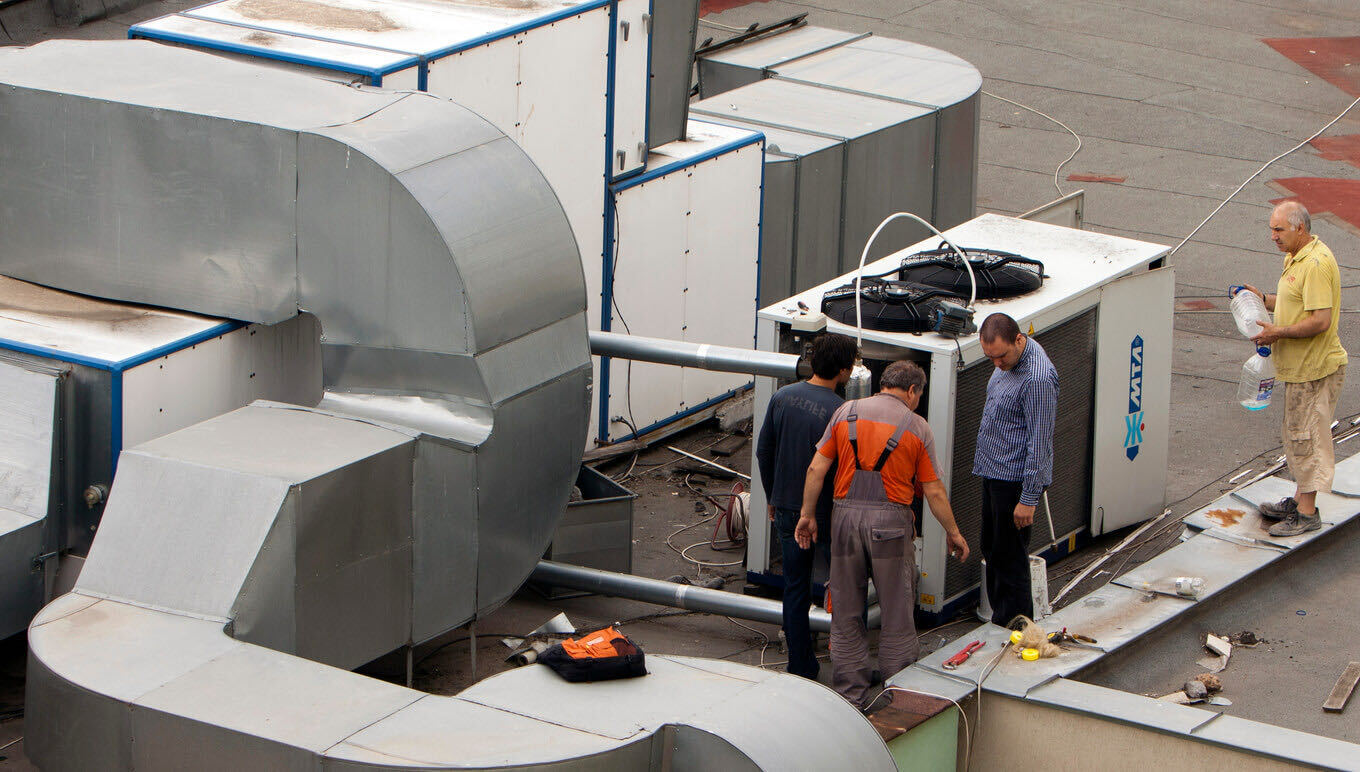
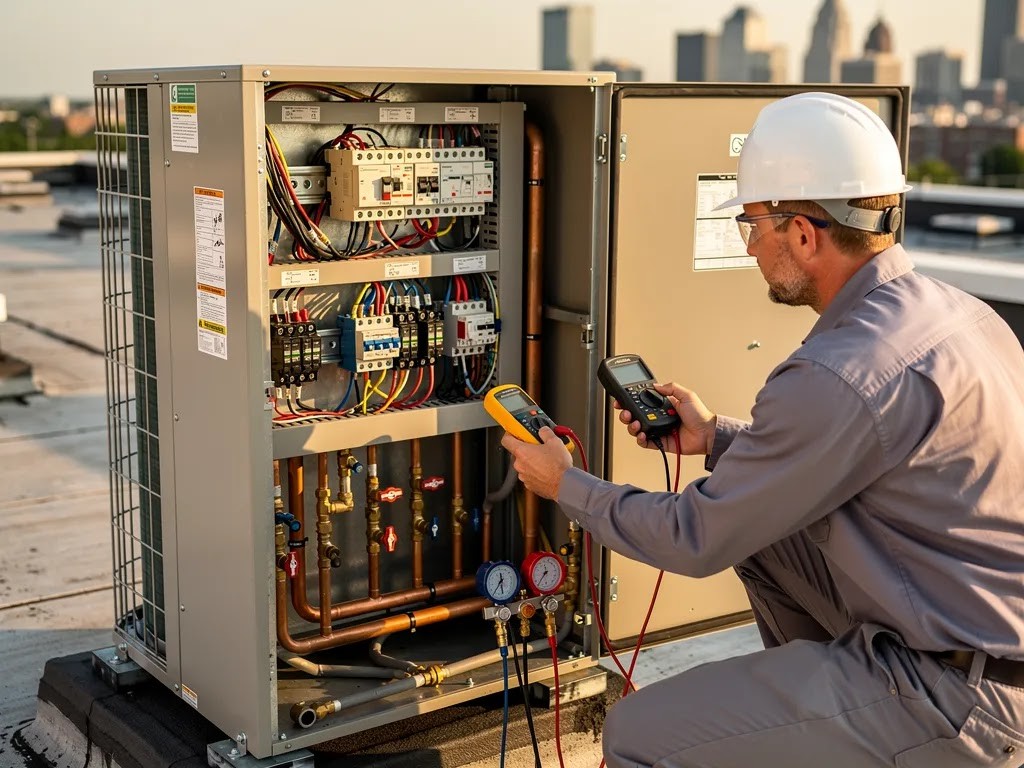
- Compressor Repairs: The compressor moves refrigerant through the system. When it fails, technicians prioritize diagnosis and either repair or replace components to restore cooling or heating.
- Thermostat Replacements: Faulty controls can stop a system from calling for heat or cool. Replacing a bad thermostat often restores proper system operation quickly.
- Refrigerant Line Repairs: Leaking refrigerant lines reduce efficiency and can damage equipment. Prompt repair stops further loss and prevents more costly failures.
Knowing these common repairs helps property managers recognize urgency and decide when to call for professional assistance.
Typical Response Times:
Response times for emergency HVAC services depend on the issue and current workload, but providers typically aim to arrive within 1–4 hours. For commercial properties, fast emergency HVAC repair is critical to limit downtime and financial exposure.
- Immediate Response: Failures that affect safety or critical operations are prioritized and handled first.
- Readiness of Providers: Providers with stocked trucks and trained crews can diagnose and act faster, which reduces total downtime.
- Preparedness Recommendations: Contracting with a trusted HVAC provider ahead of time ensures faster dispatch and clearer communication during emergencies.
Understanding typical response windows sets expectations and helps you coordinate with tenants and staff during an outage.
Important Considerations for Maintaining HVAC Systems During Emergencies:
Good maintenance reduces the frequency and severity of emergencies. Key considerations include:
- Regular Inspections: Routine checks reveal wear and potential failures before they escalate into emergencies.
- Preventive Measures: Simple steps like changing filters and keeping airflow clear go a long way toward preventing breakdowns.
- Cost Impacts: Well-maintained systems run more efficiently, lower operating costs, and avoid expensive emergency repairs.
Keeping these practices in place helps property managers make informed choices about ongoing service plans.
What Constitutes an HVAC Emergency and How to Recognize It?
An HVAC emergency is any failure that creates unsafe conditions, compromises operations, or leaves occupants uncomfortable for extended periods. Common signs include:
- Complete System Failures: When a system stops providing heat or cooling entirely, it requires immediate attention.
- Unusual Noises: Banging, hissing, grinding, or loud clicking can signal serious mechanical problems that need prompt inspection.
- Guidelines for Action: If you notice these issues, shut down nonessential equipment if safe to do so and contact a professional to assess and repair the system.
Spotting these warning signs early helps shorten repair times and reduce damage.
What are common causes and symptoms of HVAC system failures?
Recognizing common causes and symptoms allows for faster troubleshooting. Typical issues include:
- Clogged Filters: Dirty filters restrict airflow, force the system to work harder, and can trigger failures.
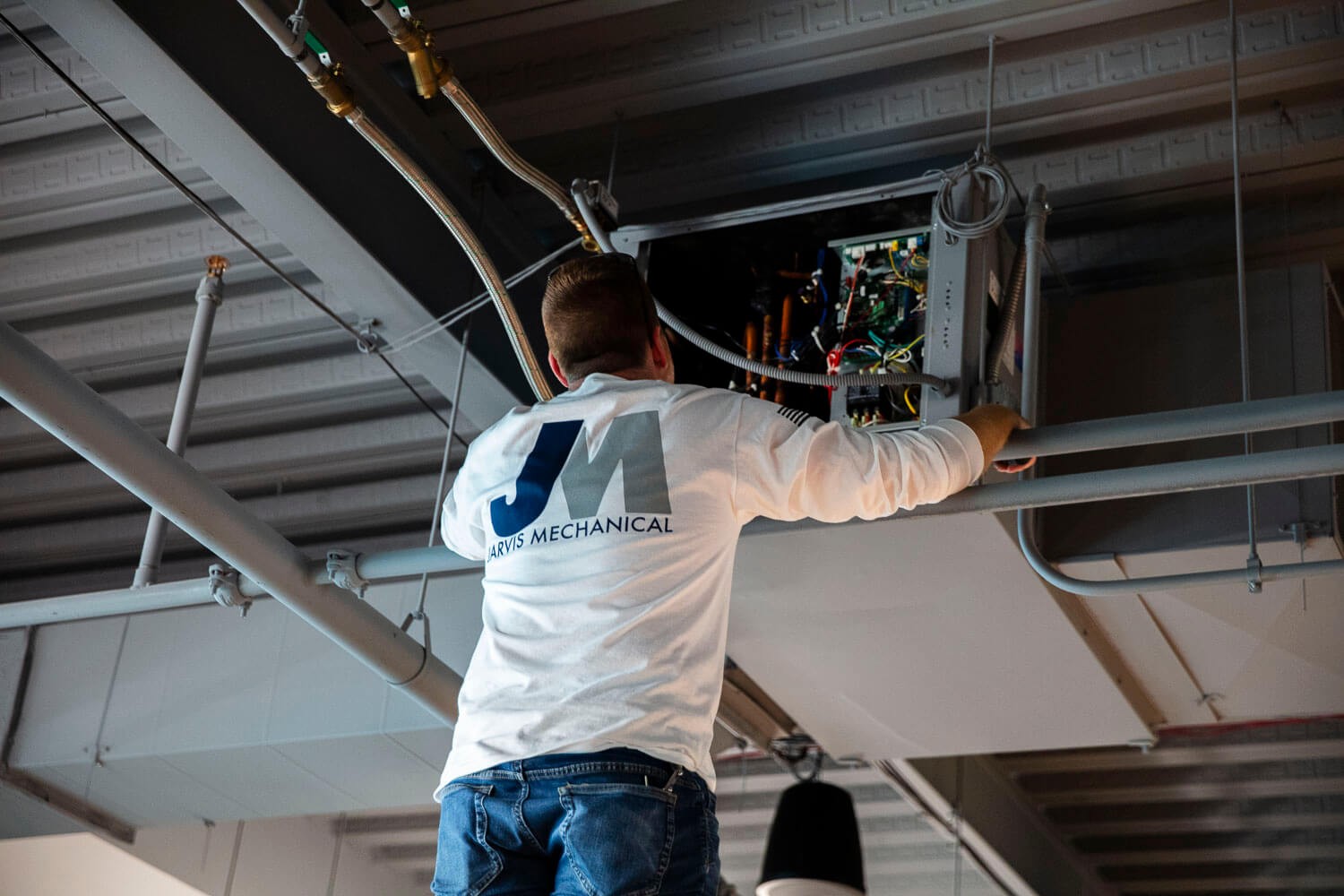
- Electrical Failures: Problems like tripped breakers, bad contactors, or wiring faults can shut a system down unexpectedly.
- Refrigerant Leaks: Low refrigerant reduces cooling capacity and strains components, often showing up as poor performance or ice on coils.
Knowing these cues enables property managers to request targeted inspections before small problems become emergencies.
When should commercial property managers request emergency HVAC repair?
Request emergency service when issues threaten occupant comfort, safety, or business operations. Typical triggers include:
- Total System Shutdown: If heating or cooling stops across a building or critical zones, call immediately.
- Extreme Temperature Fluctuations: Rapid or severe swings in indoor temperature can indicate a major malfunction.
- Visible Damage or Leaks: Any sign of refrigerant leaks, water intrusion, or structural damage should prompt an immediate professional evaluation.
Acting quickly in these scenarios helps protect tenants and limit property impacts.
How Does Jarvis Mechanical Co. Respond to HVAC Emergencies in Cincinnati?
Jarvis Mechanical Co. follows a clear, organized approach to emergency HVAC work in Cincinnati, focused on fast diagnosis, safe repairs, and minimizing downtime. Their emphasis on prompt, effective HVAC emergency repair supports building operations and tenant comfort.
What is the typical emergency response time and repair process?
Jarvis typically responds within 1 to 4 hours, depending on service demand and the severity of the issue. Their repair workflow generally includes:
- Assessment: Technicians evaluate the problem, prioritize safety, and outline repair options.
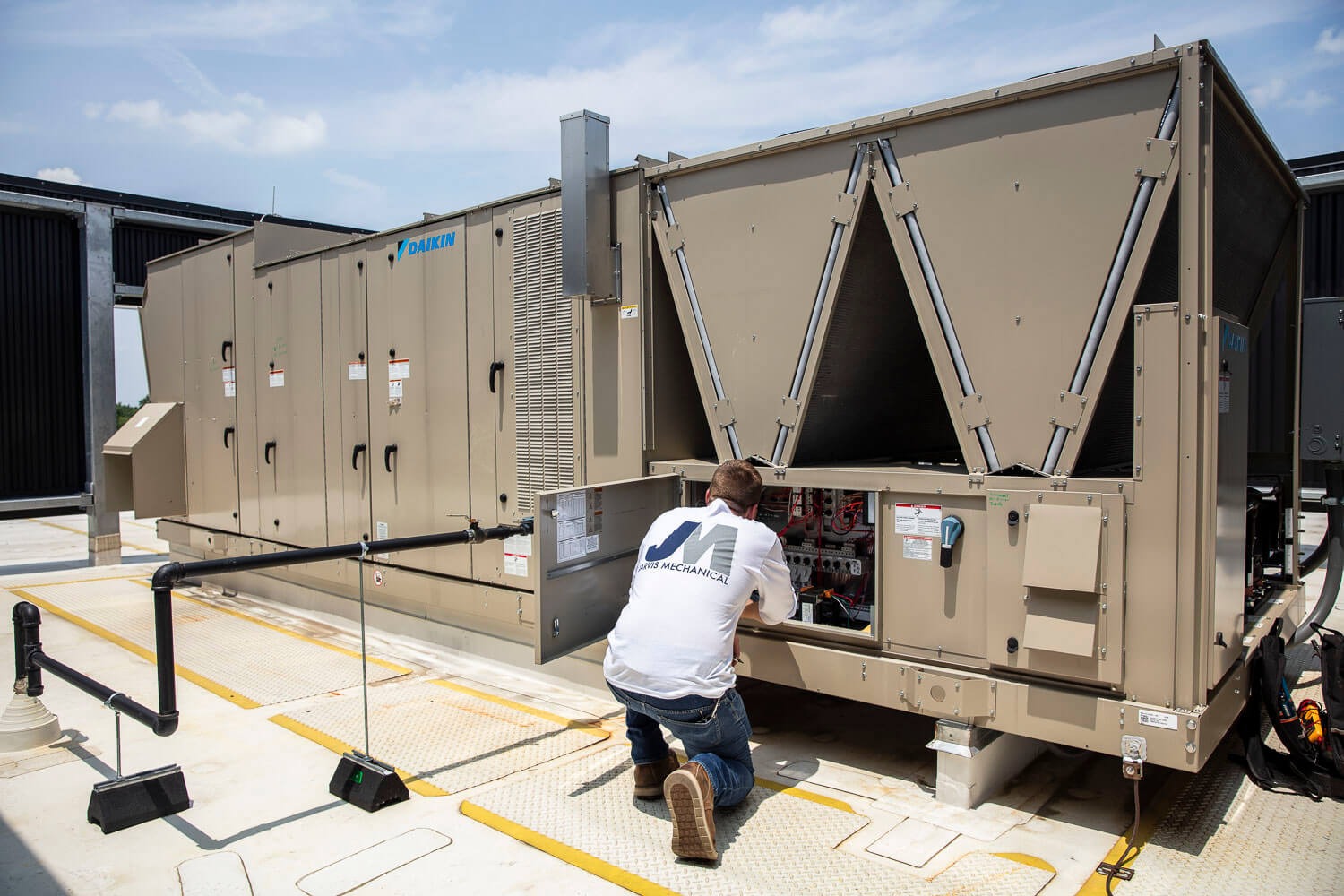
- Implementation: Repairs are performed using proper tools, parts, and safety protocols to restore function quickly.
- Follow-Up: A final check confirms system performance and documents the work done, with recommendations to prevent recurrence.
This structured process helps ensure efficient repairs and clear communication throughout the service call.
What expertise and technologies support rapid HVAC emergency repairs?
Jarvis combines experienced technicians with modern tools to speed diagnosis and repairs. Key elements include:
- Real-Time Monitoring Tools: Diagnostic and monitoring tools help pinpoint issues faster and track system performance.
- Skilled Technicians: Technicians trained across commercial systems bring experience that shortens downtime and improves first-pass fixes.
- Innovative Solutions: Using up-to-date materials and repair methods increases reliability and extends the life of repairs.
Together, these resources help deliver timely, durable solutions for urgent HVAC problems.
How Can Maintenance Programs Prevent HVAC Emergencies?
Routine maintenance is one of the most effective ways to prevent emergency HVAC failures. Maintenance programs typically include:
- Regular Maintenance Checks: Scheduled inspections catch wear and small issues before they become urgent.
- Proactive Upkeep: Tasks like filter changes, coil cleaning, and lubrication keep systems running efficiently.
- Cost Efficiency: Proactive care lowers energy use and reduces the chance of expensive emergency repairs.
Implementing a consistent maintenance program helps commercial owners preserve system reliability and control long-term costs.
What emergency HVAC maintenance services are offered for commercial buildings?
Common emergency maintenance services for commercial properties include:
- Immediate Diagnosis and Repairs: Rapid troubleshooting and temporary or permanent fixes to restore operation.
- System Replacements: When equipment is beyond repair, coordinated replacement minimizes disruption and restores performance.
- Regular Maintenance Packages: Ongoing service plans designed to reduce emergency incidents and extend equipment life.
Service offerings vary by provider, but these options form the backbone of effective HVAC management.
How do maintenance plans reduce downtime and repair costs?
Maintenance plans lower both downtime and long-term costs by:
- Reducing Emergency Incidents: Regular checks and timely repairs prevent unexpected failures and keep systems online.
- Enhancing System Performance: Well-tuned equipment runs more efficiently, which cuts energy bills and reduces stress on components.
- Long-Term Savings: Preventive care extends equipment life and delays costly replacements.
Investing in comprehensive maintenance delivers predictable performance and financial benefits over time.
Where Can Clients Find Additional Support and Resources for Emergency HVAC Issues?
For expert help with emergency HVAC issues, clients can reach out to Jarvis Mechanical Co. Their team handles commercial HVAC needs, including urgent repairs and preventive services.
- Contact Information: For immediate assistance, clients can call Jarvis Mechanical Co. at 513.831.0055.
- Available Resources: The website offers guides and resources to help property managers better understand their HVAC systems and plan maintenance.
These channels provide practical support when emergencies arise.
What frequently asked questions do commercial clients have about emergency HVAC repair?
Commercial clients commonly ask:
- When should I call for emergency service?: Call when you have a complete system shutdown, rapid temperature swings, or any issue that threatens occupant comfort or safety.
- What are common HVAC issues?: Most emergencies stem from clogged filters, electrical problems, or refrigerant leaks.
- How much does emergency service cost? Costs vary by the problem’s severity and parts required; your provider can give an estimate after assessment.
Clear answers to these questions help managers plan for and respond to HVAC incidents.
How do customer case studies demonstrate successful emergency repair solutions?
Case studies show how timely emergency repairs preserve operations and tenant satisfaction. They typically highlight:
- Prompt Restoration: Fast response and decisive repairs reduced downtime for clients.
- Satisfaction Rates: Good communication and effective fixes led to high customer satisfaction.
- Successful Strategies: Reviewing different approaches reveals the most reliable repair methods and preventive steps.
These examples illustrate the real value of a dependable emergency HVAC partner.
Conclusion
Understanding the importance of emergency HVAC repair can help commercial property owners maintain tenant comfort and protect their investments. Timely repairs, proactive maintenance, and choosing qualified providers significantly minimize downtime and overall costs. By prioritizing regular service plans, you can effectively prevent urgent failures in the future. For expert assistance with your HVAC needs, reach out to Jarvis Mechanical Co. today.